


Stop Adversaries Before They Attack

Get a Demo of Censys Threat Hunting

Detect, analyze, and track adversary infrastructure with lightning-fast speed and precision. With Censys, threat hunters can quickly validate threats, surface hidden clusters of malicious assets, and seamlessly pivot between current and historical host indicators to accelerate hunts.

  • Censys
  • Identifies adversary infrastructure before it’s used against you
  • Internet-wide visibility into IPs, hosts, services, and certificates
  • Adversary datasets enriched with Censys intelligence
  • Full historical mapping of attacker infrastructure and activity
  • Proactive hunting workflows designed to disrupt threats early
  • SIEMs, EDR, Threat Feeds
  • Detects threats only after they appear in your environment
  • Limited view to only internal telemetry and logs
  • Static threat feeds that quickly go stale when infrastructure changes
  • Point-in-time detection with little context and basic insights
  • Reactive workflows focused on incident response

Trusted by Security Teams Across the Globe

SanDisk logo with the brand name in bold, stylized black letters.
Censys Stanford Medicine logo featuring a shield emblem and the text "Stanford Medicine | Health Care."
A shield with a white cross and the words "Schweizer Armee" in German, French, Italian, and Romansh.
T-Mobile logo with a magenta "T" and the word "Mobile" in black text.
The Walmart logo features the word "Walmart" with a spark symbol to the right.
Bank of America logo with the bank's name in dark blue and a stylized flag symbol to the right.
The Censys Bloomberg logo features the word "Bloomberg" in bold, dark blue text on a white background.
Censys CISA logo features a shield with a key and the text "CISA" inside a circular border.
Censys and CrowdStrike logos displayed side by side with their names in bold text.
The US Department of Homeland Security logo features an eagle with outstretched wings and a shield, encircled by the
Microsoft logo with four squares forming a window and the word "Microsoft" next to it.
The Censys Office of the Director of National Intelligence logo features an eagle with a shield, surrounded by a circular
PepsiCo logo featuring a globe icon above the bold, uppercase "PEPSICO" text.

The Problem

Modern adversaries scale with reusable infrastructure, commodity hacktools, and rapid churn. IR, triage, hunters, detection engineering, and CTI need real-time Internet context to keep up.

Why It Matters

The Censys Difference

Censys continuously observes adversary infrastructure by its durable traits.

Operationalize Internet intelligence into feeds, detections, and response actions.
Censys ARC curated threat dataset

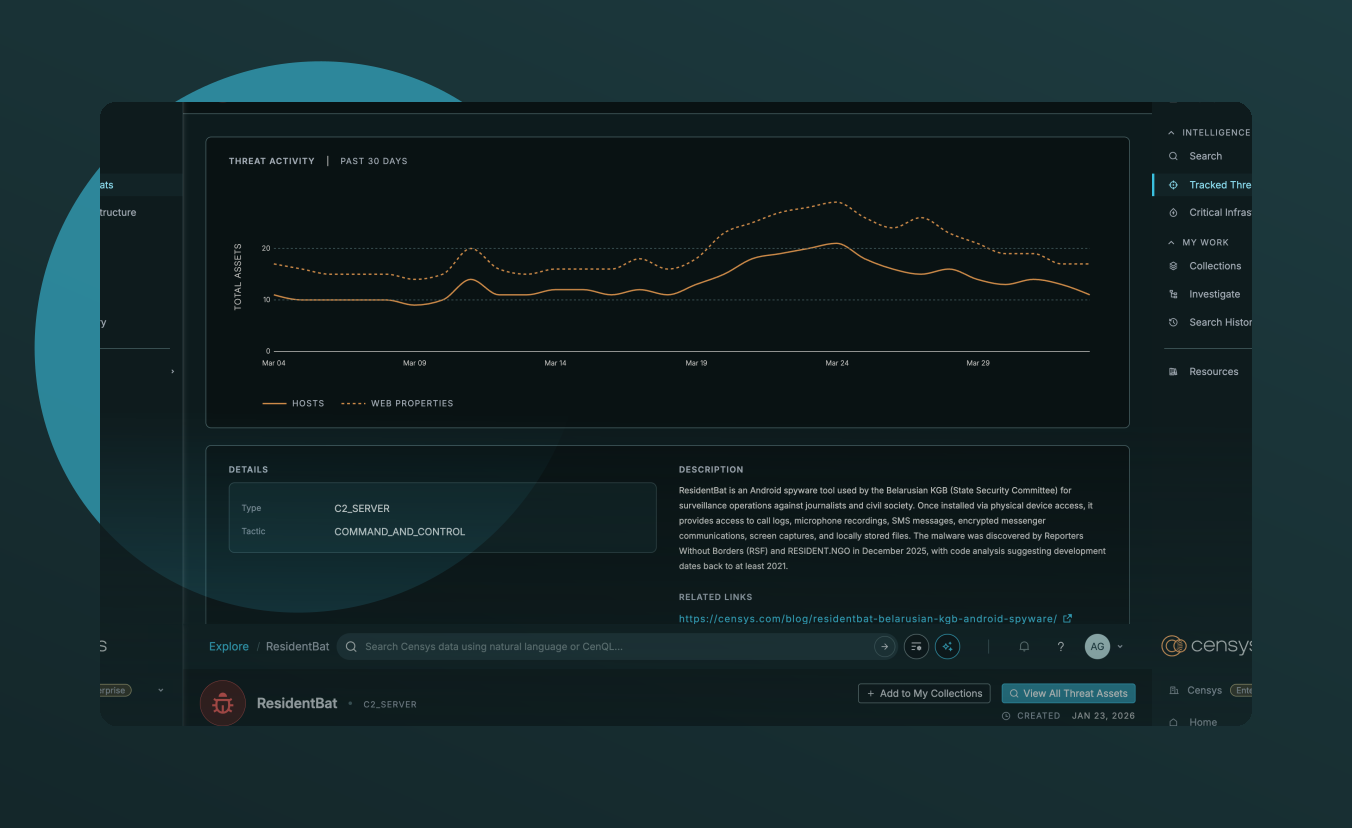
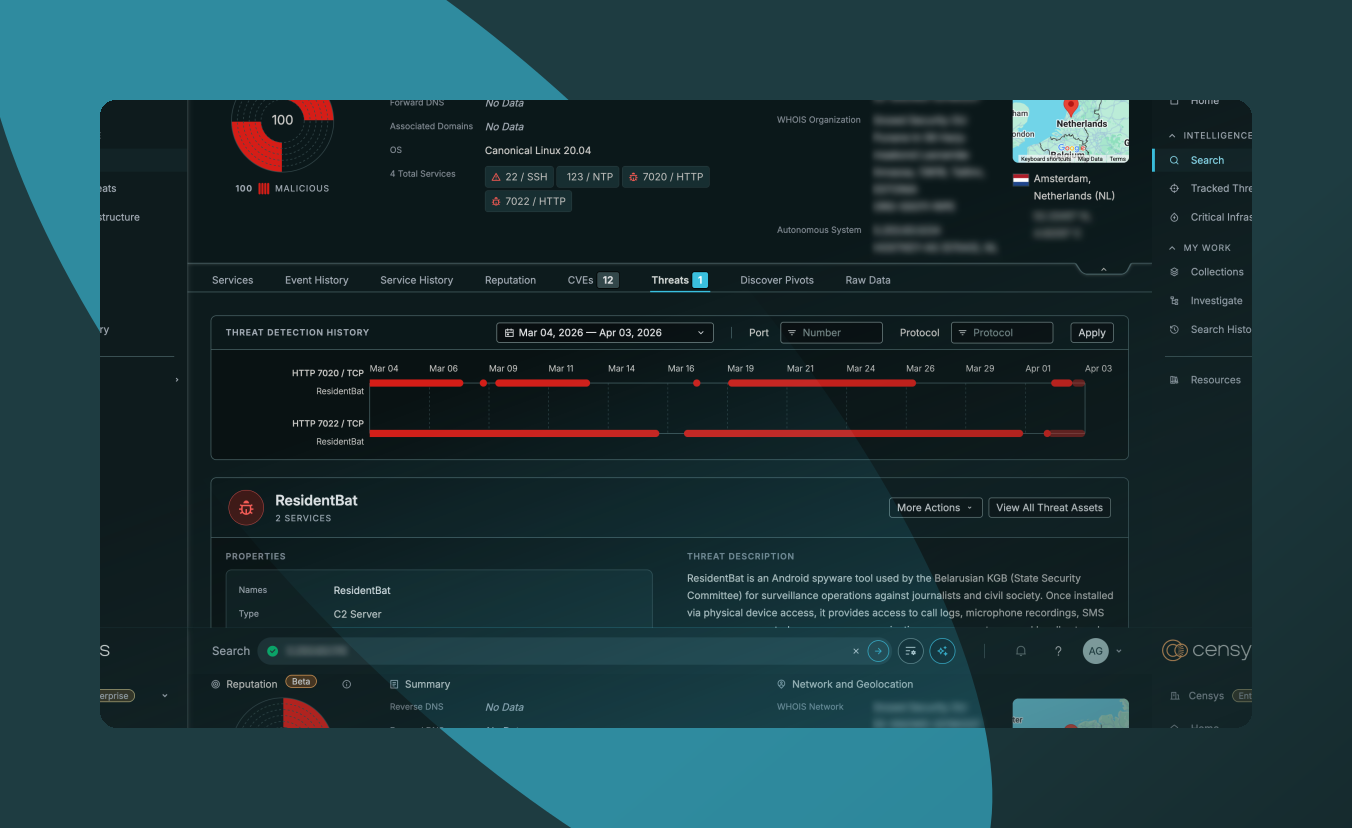
Censys ARC tracks adversaries’ recycled infrastructure signals and reuse patterns. Search and filter by threat groups like MuddyWater, Sandworm, Volt Typhoon, Lazarus, and APT28 / Fancy Bear — with evidence tied directly to a first-party scan of the service or endpoint.

Investigation Manager

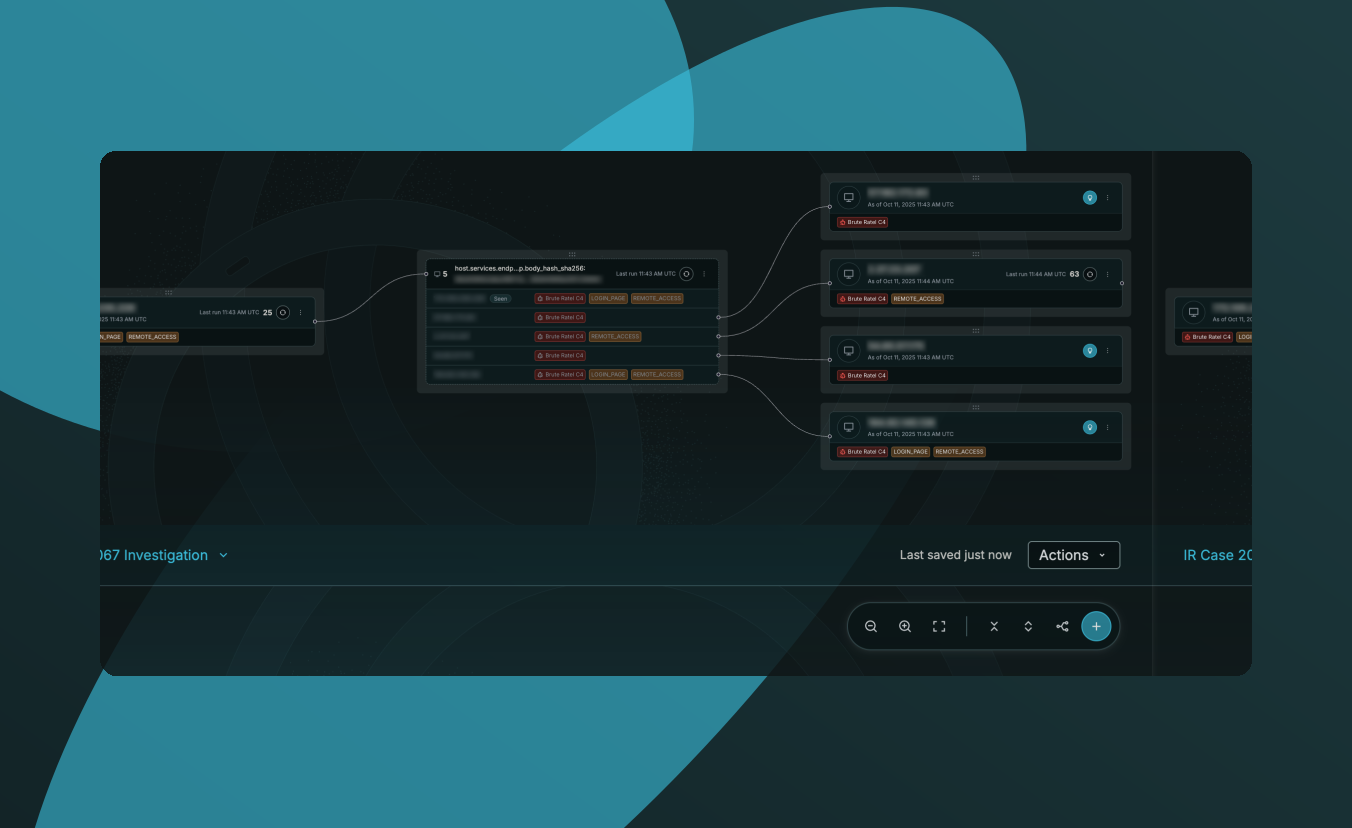
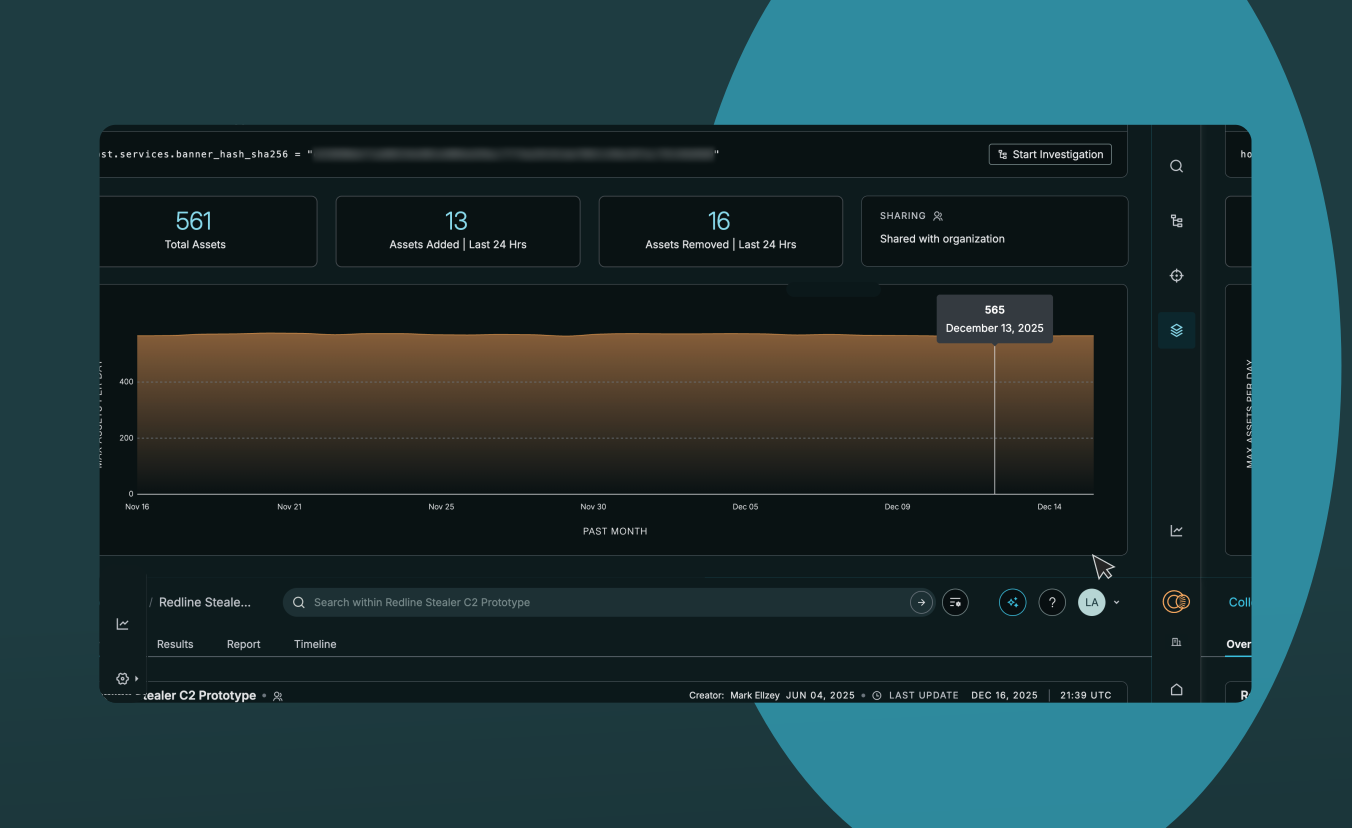
Build a node-based pivot map to document your investigation trail, visualize relationships, and track adversary infrastructure as campaigns evolve.

Signal pivoting with CensEye

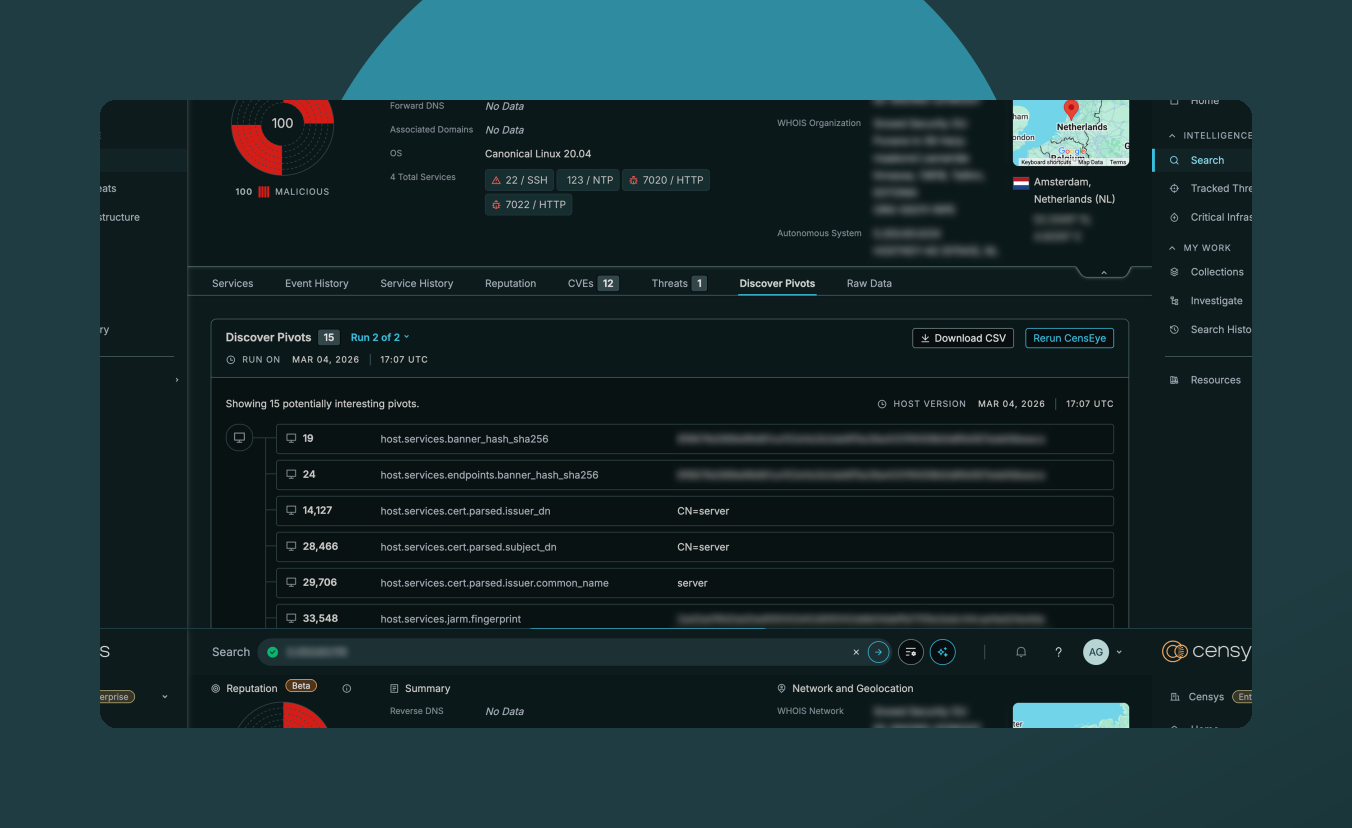
Extract rare, high-signal attributes (HTTP headers, SSH banners, TLS values) and instantly see how frequently they appear across the Internet to uncover hidden related infrastructure.

Investigate suspicious open directories

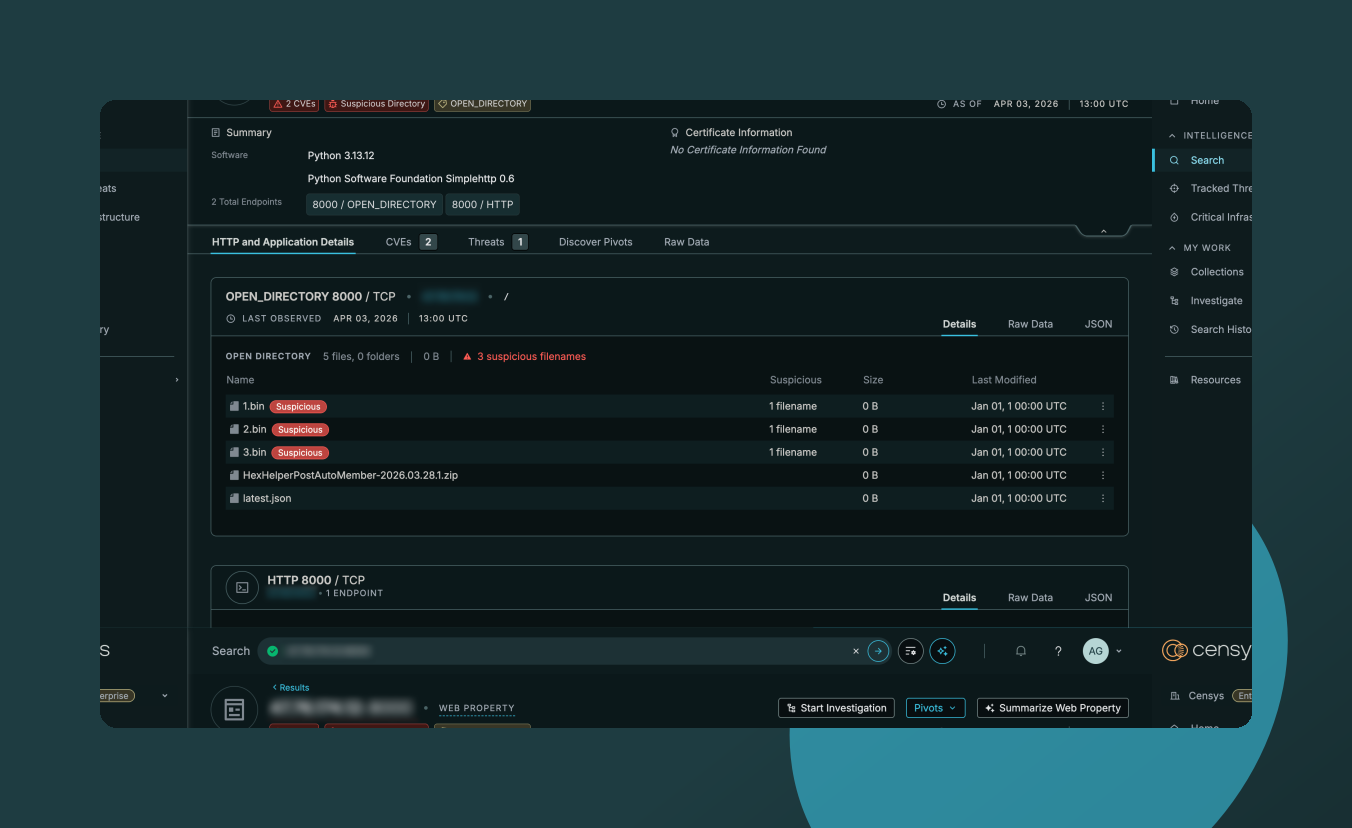
Use the Open Directory Explorer and “Suspicious Directory”-labeled threats to surface web-accessible directories hosting staged payloads, hacktools, webshells, and other risky artifacts.

Historical context + live rescanning

Use certificate timelines, contextual hashes (JARM, JA3/JA4, TLSH) to connect infrastructure, spot reuse, and build investigative timelines. Run on-demand Censys Live Discovery & Live Rescan to verify behavior in real time.

Turn investigations into automated intelligence

Operationalize hunting with the Censys Adversary Investigation MCP server and Censys Assistant. Convert saved Collections into continuously updated infrastructure intelligence for your SOC workflows.

Censys ARC tracks adversaries’ recycled infrastructure signals and reuse patterns. Search and filter by threat groups like MuddyWater, Sandworm, Volt Typhoon, Lazarus, and APT28 / Fancy Bear — with evidence tied directly to a first-party scan of the service or endpoint.

Build a node-based pivot map to document your investigation trail, visualize relationships, and track adversary infrastructure as campaigns evolve.

Extract rare, high-signal attributes (HTTP headers, SSH banners, TLS values) and instantly see how frequently they appear across the Internet to uncover hidden related infrastructure.

Use the Open Directory Explorer and “Suspicious Directory”-labeled threats to surface web-accessible directories hosting staged payloads, hacktools, webshells, and other risky artifacts.

Use certificate timelines, contextual hashes (JARM, JA3/JA4, TLSH) to connect infrastructure, spot reuse, and build investigative timelines. Run on-demand Censys Live Discovery & Live Rescan to verify behavior in real time.

Operationalize hunting with the Censys Adversary Investigation MCP server and Censys Assistant. Convert saved Collections into continuously updated infrastructure intelligence for your SOC workflows.

Identify Adversary Infrastructure Before Attacks Launch

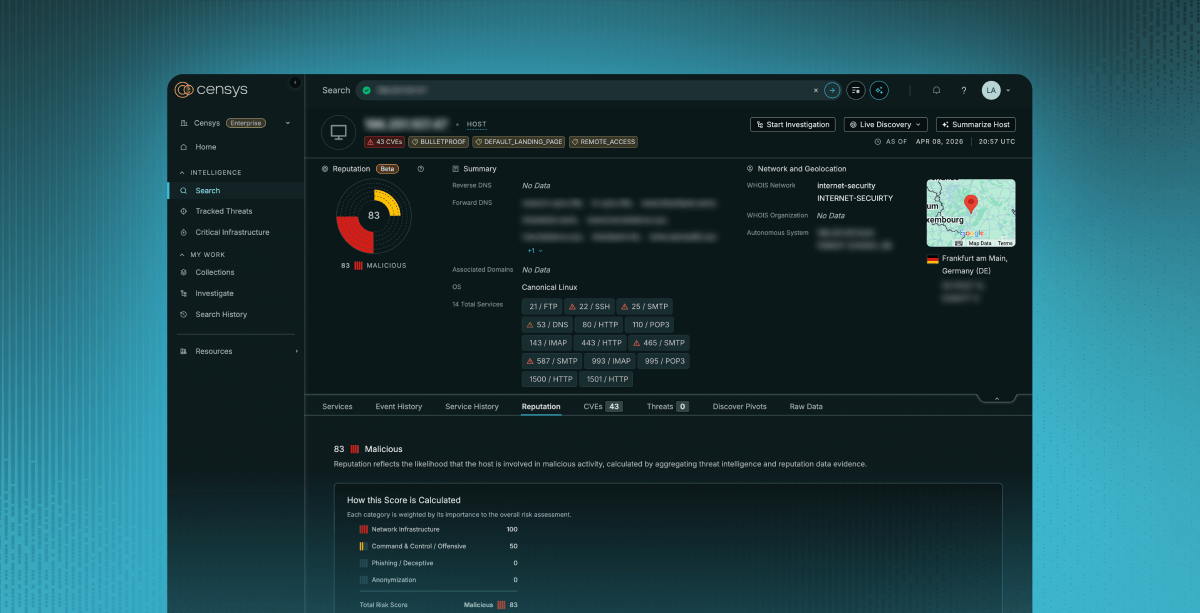
Get an inside look at how the Censys Threat Hunting Module gives you unmatched visibility into attacker infrastructure. Powered by the industry-leading Censys Internet Map, this demo shows how you can proactively detect threats, accelerate investigations, and stay ahead of evolving cyber risks with precision and confidence.

Regain the Initiative and Seize Control

The Censys Threat Hunting module delivers critical threat insights and crucial hunt capabilities that empowers security teams to hunt faster, accelerate investigations, and preemptively defend against known and emerging threats.